


Mango pomelo sago (楊枝甘露 / jeong4zi1gam1lou6) is a delightful mango dessert from Hong Kong that combines the tropical flavours of sweet mango, creamy coconut milk, and citrusy pomelo with the unique, chewy texture of sago pearls. Every bite is cool, satisfying, and so flavourful. You can make it full-size for an indulgent serving, or you can divide it into mini versions for a beautiful treat that is perfect for entertaining. With minimal preparation and a short ingredient list, this dessert is quick and easy to make at home.

You can find mango pomelo sago at many Chinese restaurants and dessert shops. Because it is cool and refreshing, Mango pomelo sago is particularly popular during the summer. Summertime is also when mangos are in season, making it the perfect time for enjoying the ripest, most flavourful mangos.
This recipe reminds me of another tropical recipe of mine - this delicious pineapple coconut chia pudding that I made with juicy, pink pineapple. It is extra light and refreshing, making it a great breakfast, snack, or dessert with a fruity, tropical twist.
Jump to:

Ingredients
The ingredients in this mango dessert are so simple! Mango, sago, coconut milk, and evaporated milk. Pomelo, if you desire. I love that there is no added sugar.

- Mango - The key to this recipe is some really sweet, ripe mangos. You will need mango pulp to puree as well as some diced mango pieces. You could make this with frozen mango, but the flavour won't be the same - fresh is the way to go.
- Pomelo - Native to Southeast Asia, this large citrus looks similar to a grapefruit, but typically larger with a thicker rind, and a less bitter, less tart, sweeter flavour than the grapefruit. (The grapefruit is actually a hybrid of the pomelo and a sweet orange.) You can usually find pomelos at Asian markets. This ingredient is totally optional.
- Sago - Sago pearls are made from the pith of a sago palm. They can be quite difficult to find in North America. Check your local SE Asian grocery store, or you can use small tapioca pearls instead if needed (that's what I did).
- Coconut milk - Canned and unsweetened.
- Evaporated milk
See the recipe card below for quantities.
 Buy Now →
Substitutions & Variations
- Pomelo - If you can't find pomelo, you can omit it from the recipe or use grapefruit instead. Keep in mind that grapefruit tastes a little more tart and bitter than pomelo.
- Sago - Substitute with small tapioca pearls following the same cooking instructions.
- Vegan - You can make this dessert vegan by replacing the evaporated milk with more coconut milk.
Instructions

Step 1: Bring a medium pot of water to a boil. Add in sago and boil while stirring constantly for 10 minutes (to prevent the sago from sticking). Remove the pot from heat, cover, and let sit for 20 minutes. The sago will continue cooking and should become clear.

Step 2: Meanwhile, prepare the mango and pomelo. Place the mango pulp into a blender along with 100 ml coconut milk and 100 ml evaporated milk, and purée until smooth.

Step 3: Once the sago has finished cooking, strain through a fine mesh sieve and run under cold water. Set the sieve of sago into a bowl of ice water to stop the cooking process. Drain immediately before plating.

Step 4: Place pomelo at the bottom of your serving glasses.

Step 5: Add your desired amount of sago.

Step 6: Top with diced mango pieces.

Step 7: Carefully spoon in some coconut milk, not coming above the line of diced mango (to prevent colours from blending).

Step 8: Finally, top with the prepared mango purée. Refrigerate for 1 hour for extra chill if possible, or enjoy immediately.
Tip: This recipe makes two full-size servings, or you spread it out into smaller mini desserts that are perfect for entertaining. I often divide this recipe into ten small, glass dessert dishes (4.5 oz capacity).
Equipment
- Medium-size pot with lid
- Rubber spatula
- Fine mesh sieve
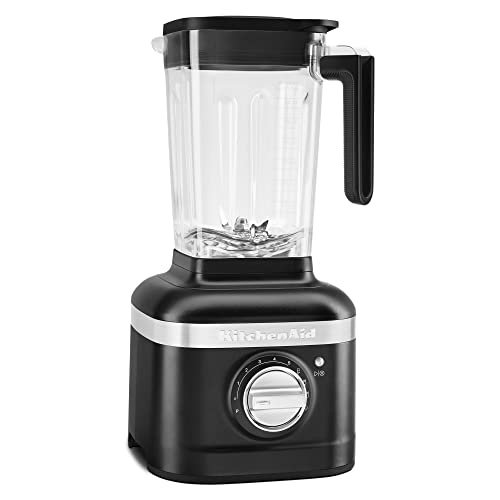
- Blender
- Glasses for servings - Two large drinking glasses for full-sized servings, or ten mini glass dessert dishes (4.5 oz capacity).
Storage
After arranging mango pomelo sago pudding in the serving glasses, you can store it in the fridge for later enjoyment. This makes them the perfect make-ahead dessert for entertaining guests! Store well wrapped or in an airtight container in the refrigerator for up to 2 days. The sago will lose its chewiness and become cloudier the longer it is stored.

Tips for cooking sago
- Never wash sago before cooking it.
- Make sure to use lots of water.
- Wait for water to completely come to a boil before adding the sago. This is important as the outermost layer of the sago will cook instantly, forming a seal around the pearl.
- Cooked sago pearls will look translucent when finished, though some may have a tiny white dot in the middle. This is fine.
- Rinsing the cooked sago with cold tap water in a sieve before adding to an ice bath will help remove any excess starch.
- These tips work for cooking tapioca pearls as well.
FAQ
Sago and tapioca share a wonderful chewy texture and can be prepared the same way, however, there are some differences between the two. Sago is derived from the pith of the sago palm tree, while tapioca is extracted from the root of the cassava plant. Both are chewy, but sago can sometimes be a bit softer. Tapioca is typically much easier to find in North America.
Mango pomelo sago was created in 1984, Hong Kong, by Wong Wing-Chee, the former head chef of Lei Garden. It was created in anticipation of the opening of their first branch in Singapore, using local ingredients (mango, pomelo, sago) to appeal to Singaporean tastes. The cool and refreshing dessert was perfect for serving in the hot and humid climate there. Now it is a popular dessert and drink flavour.
The Chinese name for mango pomelo sago (楊枝甘露, "willow branch manna/dew") is inspired by a magical willow branch from the 16th-century novel Journey to the West. It was intended to poetically emphasize the idea of refreshing and cooling, and its ability to alleviate summer heat. In the novel, Guanyin Bodhisattva uses the branch to sprinkle a refreshing dew, rejuvenating those stricken by drought.
Related
Looking for other dessert recipes? Try these:


Pairing
These are my some of my favourite dishes and drinks to serve with mango pomelo sago:
Print


📖 Recipe

Mango Pomelo Sago
- Prep Time: 25 minutes
- Cook Time: 10 minutes
- Total Time: 35 minutes
- Yield: 2 servings 1x
- Category: Dessert
- Cuisine: Chinese
Description
Mango pomelo sago (楊枝甘露) is a refreshing Hong Kong dessert with sweet mango, creamy coconut milk, pomelo, and sago pearls. Cool and flavourful, it's quick and easy to make with minimal prep.
Ingredients
40 g sago
300 g mango pulp
200 g mango, diced
150 ml coconut milk, separated (canned, unsweetened)
100 ml evaporated milk
30 g pomelo, shredded (optional)
Instructions
Step 1: Bring a medium pot of water to a boil. Add in sago and boil while stirring constantly for 10 minutes (to prevent the sago from sticking). Remove the pot from heat, cover, and let sit for 20 minutes. The sago will continue cooking and should become clear.
Step 2: Meanwhile, prepare the mango and pomelo. Place the mango pulp into a blender along with 100 ml coconut milk and 100 ml evaporated milk, and purée until smooth.
Step 3: Once the sago has finished cooking, strain through a fine mesh sieve and run under cold water. Set the sieve of sago into a bowl of ice water to stop the cooking process. Drain immediately before plating.
Step 4: Place pomelo at the bottom of your serving glasses.
Step 5: Add your desired amount of sago.
Step 6: Top with diced mango pieces.
Step 7: Carefully spoon in some coconut milk, not coming above the line of diced mango (to prevent colours from blending).
Step 8: Finally, top with the prepared mango purée. Refrigerate for 1 hour for extra chill if possible, or enjoy immediately.

Notes
This recipe makes two full-size servings, or you spread it out into smaller mini desserts that are perfect for entertaining. I often divide this recipe into ten small, glass dessert dishes (4.5 oz capacity).
Nutrition
- Serving Size:
- Calories: 348
- Sugar: 37.7 g
- Sodium: 65.3 mg
- Fat: 17.3 g
- Carbohydrates: 66.6 g
- Protein: 7.3 g
- Cholesterol: 0 mg


Leave a Reply